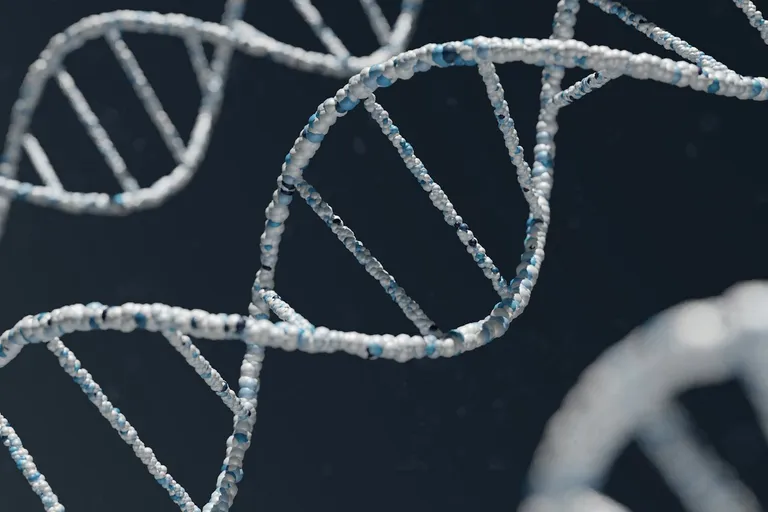
What Biology Actually Says About Sex — A Plain-Language Guide To The Research
Every claim sourced. What the studies measured, and just as importantly, what they don't show.
In biology, sex is defined by gametes. Organisms are organised to produce either small gametes (sperm) or large gametes (eggs), and that distinction is the reference point biologists use across species.[1]
This explainer walks through what that definition means, where it comes from, and how researchers describe the rare cases — differences of sex development — that are sometimes raised in debate.[2] We set out what the studies measured, and just as importantly, what they do not show.
“A definition based on gametes is not a statement about anyone's worth. It describes biology — nothing more, nothing less.”
What the definition is — and is not
A definition based on gametes is not a statement about personality, ability or worth. It describes reproductive anatomy and function. Keeping that distinction clear helps everyone argue about the real disagreement rather than talking past each other.[3]
Read it for yourself
Every claim on this page is linked to its source at the bottom. If you think we have read a paper wrongly, tell us — we publish corrections in the open.
Sources
- [Author], [Journal], [Year]. doi:[…]
- [Author], [Journal], [Year]. doi:[…]
- [Report], [Organisation], [Year].
Disagree? Send us your evidence.
We read every reply, and we correct mistakes in the open.